
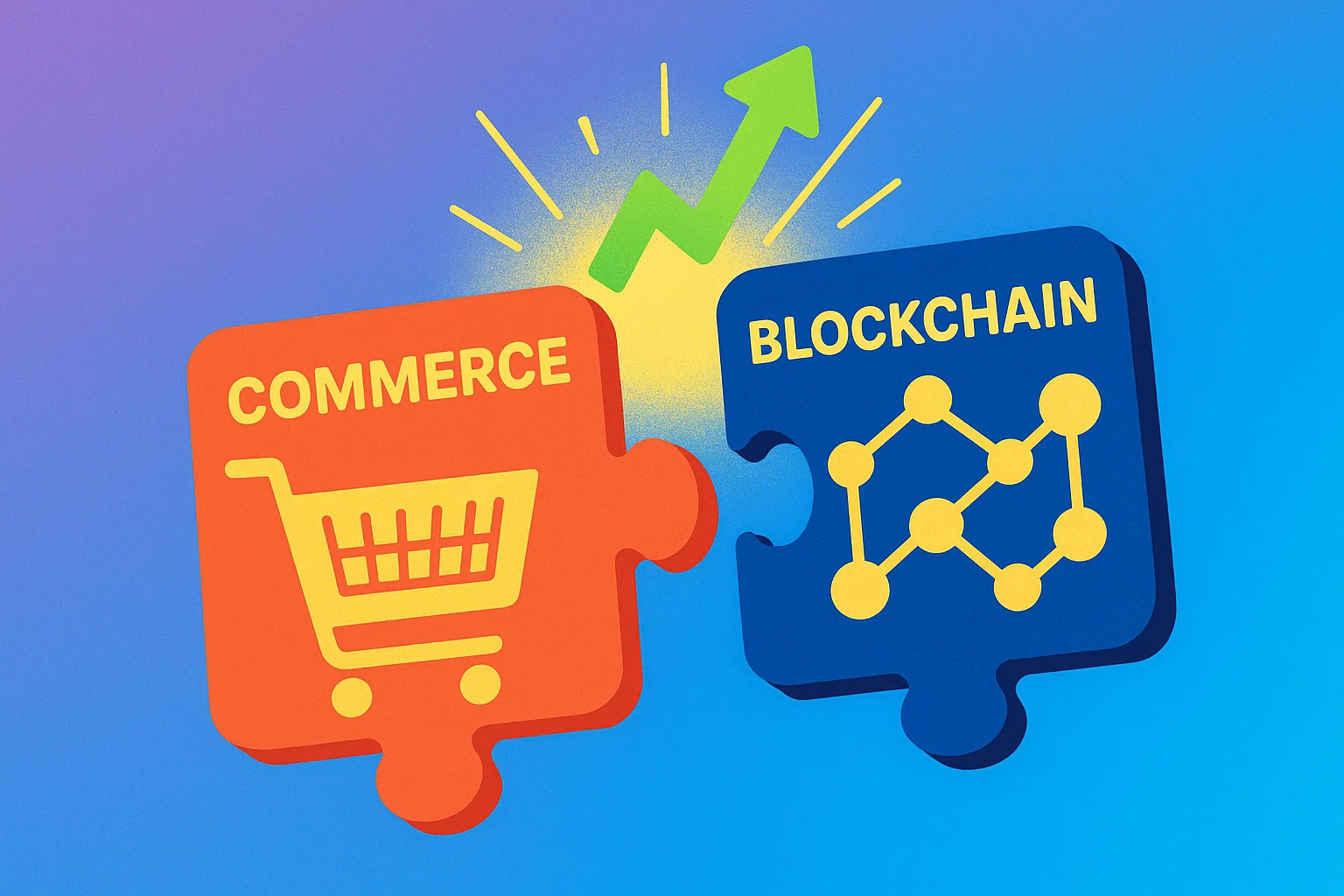
The shift from Web2 e-commerce (centralized platforms like Amazon and traditional credit card processing) to Web3 adoption e-commerce (decentralized, blockchain-enabled commerce) is no longer theoretical. It is a strategic imperative for businesses aiming for hyper-efficiency, unparalleled transparency, and deeper customer loyalty.
On-chain commerce is about leveraging the power of distributed ledger technology (DLT) for more than just payment processing. It encompasses everything from tokenized loyalty programs and decentralized inventory tracking to verifiable digital ownership (NFTs) that unlock exclusive product access. The real success stories of today demonstrate that embracing the blockchain transforms key operational and customer-facing metrics.
Why On-Chain Commerce Matters
The fundamental benefits of moving commerce operations onto a blockchain are clear:
- Trustless Settlement: Transactions are executed via Smart Contracts, eliminating the need for costly intermediaries and ensuring automated, tamper-proof payment and service exchange.
- Transparency & Provenance: The immutable nature of the blockchain allows for real-time tracking of goods in the supply chain and verifiable product authenticity, which is crucial for blockchain commerce retail in luxury and high-value sectors.
- Enhanced Customer Ownership: Web3 allows brands to foster direct relationships, giving customers digital ownership of assets (like tokens or NFTs) that translate to real-world utility, boosting engagement and retention.
Featured Merchant #1: The Luxury Brand & Token-Gated Exclusivity
A global luxury fashion brand, facing a highly competitive market and the persistent threat of counterfeiting, adopted a comprehensive Web3 strategy. Their goal was to enhance brand integrity and create an elite, measurable loyalty tier.
Implementation and Key Metrics
- The Problem: Low customer retention rates outside of seasonal sales and difficulty in authenticating high-value, secondary-market sales.
- The Solution: Token-Gated Commerce. The brand issued a collection of Non-Fungible Tokens (NFTs) that acted as a digital VIP pass. These tokens were granted only to customers who made a purchase above a certain high-value threshold.
- How it Works: Customers use their crypto wallet to connect to the brand’s storefront. If the wallet holds the required NFT (the “token”), it unlocks:
- Early access to seasonal product drops (3-day head start).
- Token-holder-only product variants and limited editions.
- Immutable digital Certificates of Authenticity (CoA) linked to the physical item’s serial number, traceable on the public ledger.
- Results (Web3 eCommerce Case Study):
- Customer Lifetime Value (CLV): Increased by 25% among token holders due to repeat engagement driven by exclusivity.
- Counterfeit Reduction: The transparent, verifiable digital CoAs dramatically reduced the market for fakes, protecting brand equity.
- Community Growth: The brand saw a vibrant secondary market for their NFTs, turning loyalty into a tangible, tradable asset class.
Featured Merchant #2: The Global E-Commerce Platform & Cross-Border Payments
A mid-sized e-commerce platform specializing in digital and physical goods, with a customer base heavily focused in emerging markets, struggled with excessive payment fees and international transaction delays.
Challenges & Results
- The Problem: High credit card chargeback rates (exceeding 3% in some regions) and average transaction processing times of 3-5 days for international bank transfers, creating working capital issues.
- The Solution: Stablecoin Payments and Instant Settlement. The platform integrated a hybrid Web3 payment solution (like the one discussed in our previous article, How to Accept Crypto Payments Without Friction in 2026). They prioritized accepting major USD-pegged stablecoins.
- How it Works: Customers in emerging markets pay with USDC or USDT. The payment processor instantly converts the stablecoin to the local currency or settles it back to the merchant’s treasury as a stablecoin, bypassing legacy banking rails.
- Results (Blockchain Commerce Retail):
- Cost Reduction: Transaction fees were cut from an average of 3.5% to less than 1%.
- Payment Speed: Settlement time dropped from days to minutes, significantly improving cash flow.
- Chargeback Elimination: As on-chain transactions are immutable, the platform recorded 0% chargebacks on crypto payments, solving a major pain point.
- Sales Boost: The ability to accept borderless payments without traditional barriers resulted in a 12% boost in sales volume from previously underserved international markets.
Common Lessons Learned
Regardless of the business vertical, successful Web3 adoption e-commerce strategies share three core elements:
- Solve a Real-World Pain Point: The most successful projects did not adopt Web3 just for the hype. They used it to solve tangible problems like high fees (Merchant #2), lack of authenticity (Merchant #1), or poor retention.
- Focus on the Utility, Not the Asset: The focus was always on the benefit to the customer (early access, guaranteed authenticity, faster checkout) rather than simply pushing the underlying token or NFT.
- Prioritize UX and Education: The on-chain mechanics were abstracted away from the average user. The front-end experience remained simple, while clear educational resources were provided for those wanting to understand the benefits.
Actionable Takeaways for Readers
If your business is looking to transition to on-chain commerce, focus on one of these high-impact areas first:
| Goal | Web3 Solution to Implement | Key Metric to Track |
|---|---|---|
| Reduce Fraud/Chargebacks | Crypto Payments & Stablecoin Settlement | Chargeback rate, Transaction fees |
| Boost Customer Loyalty | Token-Gated Access for VIPs or early drops | Customer Lifetime Value (CLV), Retention Rate |
| Improve Supply Chain Trust | On-Chain Product Provenance/Digital CoAs | Counterfeit Complaints, Supplier Transparency |
Tools & Platforms Used
To explore these solutions, merchants typically engage with:
- Payment Gateways: (e.g., Alchemy Pay, Coinbase Commerce, or similar trusted platforms) to handle crypto-to-fiat conversion and settlement.
- Token Gating Infrastructure: Platforms like Thirdweb or Shopify Web3 tools for creating and managing NFT-based access control.
- DLT for Supply Chain: Enterprise blockchain platforms (e.g., IBM Food Trust, VeChain) for provenance and asset tracking.
Further Reading: For a step-by-step guide on setting up the payment rails mentioned in this article, see our previous post: How to Accept Crypto Payments Without Friction in 2026.